Exploring Art Therapy: Healing Through Creative Expression
- Catherine Hilliard
- Mar 21
- 4 min read

Art therapy is a powerful tool that harnesses the creative process to promote healing and self-discovery. It combines the therapeutic benefits of art-making with psychological principles, allowing individuals to express their emotions and experiences in a non-verbal way. This blog post will delve into the various aspects of art therapy, its benefits, and how it can be utilized in different settings.
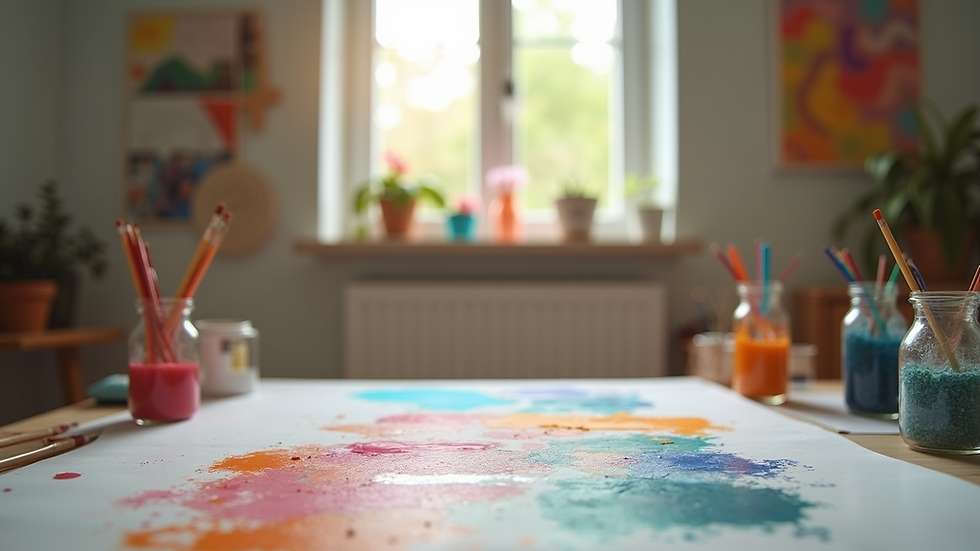
Understanding Art Therapy
Art therapy is a form of psychotherapy that uses art as a medium for communication. It is based on the belief that creative expression can foster emotional healing and personal growth. Unlike traditional talk therapy, art therapy allows individuals to express feelings that may be difficult to articulate verbally.
The Role of the Art Therapist
Art therapists are trained professionals who guide clients through the creative process. They provide a safe and supportive environment where individuals can explore their emotions and experiences through various art forms, such as painting, drawing, sculpture, and collage. The therapist helps clients interpret their artwork, facilitating deeper understanding and insight.
Key Principles of Art Therapy
Creativity as a Healing Tool: Engaging in creative activities can reduce stress, improve mood, and enhance overall well-being.
Non-Verbal Expression: Art allows individuals to express complex emotions that may be hard to verbalize.
Personal Reflection: Creating art encourages self-reflection and can lead to personal insights and growth.
Safe Environment: Art therapy provides a non-judgmental space where individuals can explore their feelings without fear of criticism.
Benefits of Art Therapy
Art therapy offers a wide range of benefits for individuals of all ages and backgrounds. Here are some of the key advantages:
Emotional Healing
Art therapy can help individuals process and heal from emotional trauma. By expressing feelings through art, clients can confront and work through difficult emotions, leading to a sense of relief and healing.
Stress Reduction
Engaging in creative activities has been shown to reduce stress and anxiety. The act of creating art can serve as a form of mindfulness, allowing individuals to focus on the present moment and escape from daily pressures.
Improved Self-Esteem
Creating art can boost self-esteem and confidence. As individuals see their artistic skills develop, they often gain a sense of accomplishment and pride in their work.
Enhanced Communication Skills
For those who struggle with verbal communication, art therapy can provide an alternative means of expression. This can be particularly beneficial for children or individuals with communication disorders.
Support for Mental Health Conditions
Art therapy has been found to be effective in treating various mental health conditions, including depression, anxiety, PTSD, and more. It can be used as a complementary treatment alongside traditional therapies.
Applications of Art Therapy
Art therapy can be applied in various settings, making it a versatile approach to healing. Here are some common applications:
Schools
In educational settings, art therapy can support students dealing with emotional or behavioral challenges. It can help children express their feelings, improve social skills, and enhance their overall emotional well-being.
Hospitals and Rehabilitation Centers
Art therapy is often used in medical settings to help patients cope with illness, pain, and recovery. It can provide a creative outlet for expressing fears and anxieties related to health issues.
Mental Health Clinics
Many mental health professionals incorporate art therapy into their practice. It can be particularly effective for clients who find it difficult to engage in traditional talk therapy.
Community Centers
Community art therapy programs can provide support for individuals facing various life challenges, including grief, loss, or trauma. These programs foster a sense of community and connection among participants.
Techniques Used in Art Therapy
Art therapists employ various techniques to facilitate the creative process. Here are some common methods:
Drawing and Painting
Drawing and painting are fundamental techniques in art therapy. Clients can use these mediums to express their emotions, thoughts, and experiences visually.
Collage
Creating collages allows individuals to combine different images and materials, representing their feelings and experiences in a unique way. This technique can be particularly effective for those who struggle with verbal expression.
Sculpture
Sculpting with clay or other materials can provide a tactile experience that enhances emotional expression. The physical act of shaping and molding can be therapeutic in itself.
Guided Imagery
Art therapists may use guided imagery to help clients visualize their feelings or experiences before translating them into art. This technique can deepen the therapeutic process.
Getting Started with Art Therapy
If you're interested in exploring art therapy, here are some steps to consider:
Find a Qualified Art Therapist
Look for a licensed art therapist who has experience working with your specific needs. You can search online directories or ask for recommendations from mental health professionals.
Attend a Session
Participating in a session can give you a firsthand experience of how art therapy works. Be open to the process and allow yourself to explore your creativity.
Create a Personal Art Space
If you prefer to engage in art therapy on your own, consider setting up a dedicated space for creating art. Gather supplies that inspire you and make it a comfortable environment.
Practice Regularly
Incorporate art-making into your routine. Whether it's drawing, painting, or any other form of creative expression, regular practice can enhance the therapeutic benefits.
Conclusion
Art therapy is a valuable approach to healing that harnesses the power of creative expression. By allowing individuals to explore their emotions through art, it fosters personal growth and emotional well-being. Whether in a professional setting or as a personal practice, art therapy can be a transformative experience. If you're seeking a new way to connect with your feelings and promote healing, consider exploring the world of art therapy. Embrace your creativity and discover the healing potential within you.
Comments